EV Subsidy Strategy 2026: Maximizing Cumulative Manufacturer Discounts

Following the Federal Ministry for the Environment's announcement on January 19, 2026, the landscape for electric vehicle (EV) subsidies has evolved into a multi-layered incentive system. While state funding provides a foundational reduction, several key manufacturers have launched aggressive "top-up" programs. This synergy allows private and commercial buyers to stack state subsidies with private manufacturer bonuses, significantly lowering the total cost of ownership for 2026 models.
Strategic Saving Insights
- Stacking Opportunities: Most manufacturer bonuses for 2026 are independent of state eligibility, allowing consumers to achieve "double-dip" discounts.
- Time Sensitivity: Major promotions from Dacia, Ford, and Citroen are currently scheduled to expire between late February and March 2026.
- Financing Edge: Brands like XPeng are pivoting toward 0% APR financing combined with trade-in bonuses to attract buyers deterred by fluctuating interest rates.
- Segment Focus: The most significant relative savings are currently found in the entry-level segment, specifically for the Dacia Spring and Citroen e-C3.
Manufacturer-Specific Incentive Programs (Q1 2026)
The following table summarizes the additional subsidy programs available in the German market as of January 2026:
| Manufacturer | Bonus Amount | Eligible Models | Deadline |
|---|---|---|---|
| Dacia | 5,000 Euro | Spring (2026 MY) | February 28, 2026 |
| Ford | 5,000 Euro | Puma Gen-E, Explorer, Capri, Kuga PHEV, Mach-E | Ongoing |
| Citroen | Up to 6,000 Euro | State-eligible EV models | March 31, 2026 |
| XPeng | 3,000 Euro + 0% Fin. | G6, G9 (Stock units) | March 31, 2026 |
Technical Analysis: Dacia & Ford
Dacia continues to lead the budget segment with its 5,000 Euro Electric Bonus for the Spring model. This bonus is unrestricted by income profiles and is applied as a direct price reduction. Meanwhile, Ford has standardized a flat 5,000 Euro bonus across its new "Electric Lifestyle" lineup, which includes the Mustang Mach-E and the versatile Kuga Plug-in Hybrid.

The Citroen "Double Funding" Model
Citroen has adopted a "Mirror Incentive" strategy. For customers entitled to state funding, Citroen provides a sponsorship bonus of 3,000 Euro. However, if the customer qualifies for higher state subsidy tiers, the manufacturer matches that amount up to a maximum of 6,000 Euro. This approach effectively doubles the impact of the federal grant.
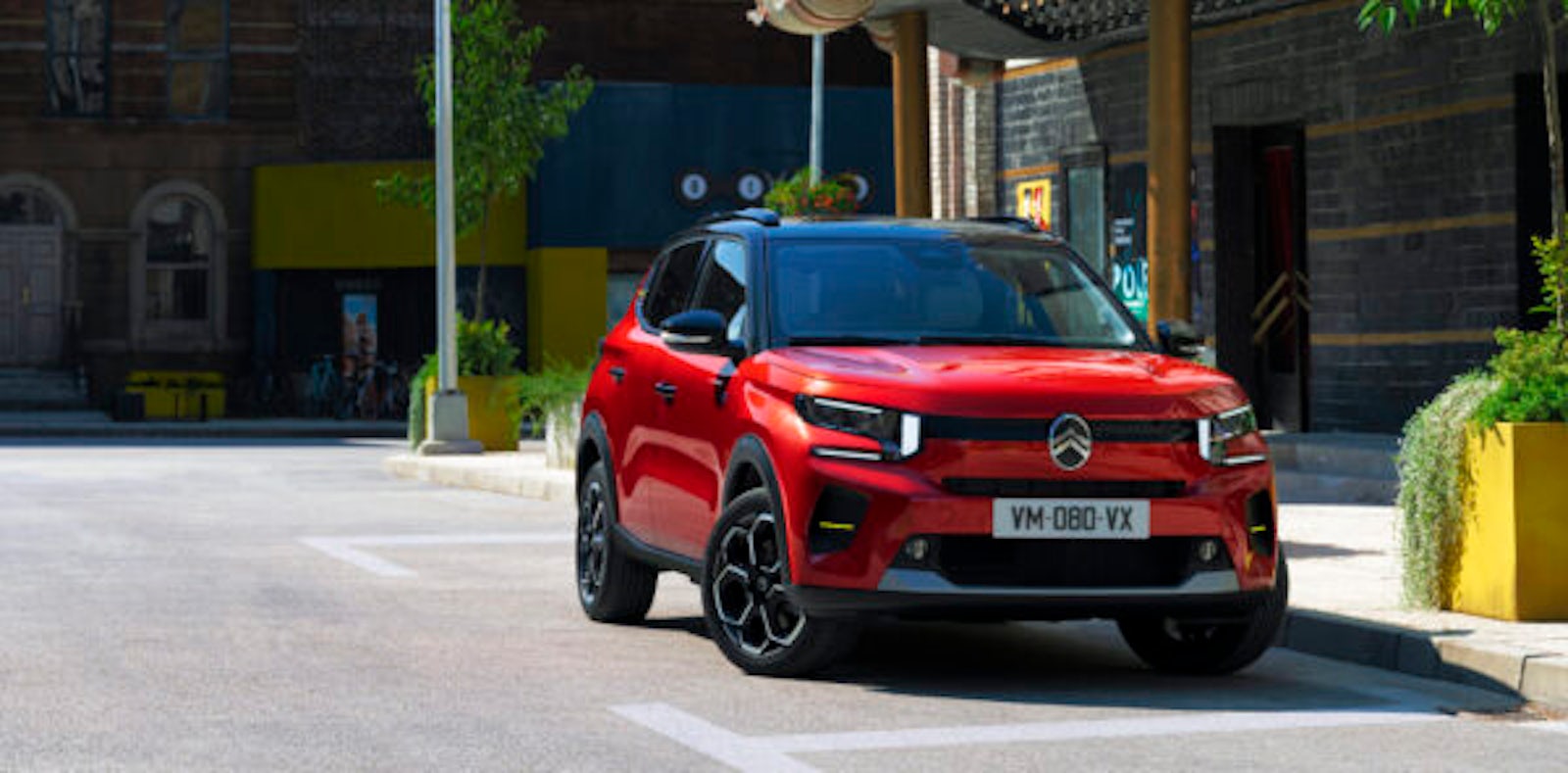
Calculation of Total Savings
To determine the final purchase price, consumers can apply the following calculation logic:
Final Price = List Price - (State Subsidy + Manufacturer Bonus)Note: Additional trade-in bonuses from brands like XPeng may further reduce the effective acquisition cost.
Interactive FAQ: 2026 EV Subsidies
Can commercial fleets benefit from these bonuses?
While Ford and Dacia primarily target private individuals, XPeng explicitly offers their 0% financing and 3,000 Euro trade-in bonus to both private and commercial sectors.
Are Plug-in Hybrids (PHEVs) still eligible for manufacturer bonuses?
Yes. Ford maintains the Kuga Plug-in Hybrid within its 5,000 Euro bonus scheme, even though many PHEVs no longer qualify for direct government subsidies as of 2026.
Post a Comment for "EV Subsidy Strategy 2026: Maximizing Cumulative Manufacturer Discounts"